Low Taper Fade: The Complete Guide to This Popular Haircut

If you want a haircut that looks sharp, clean, and works for almost any hair type, the low taper fade might be exactly what you need. This low taper fade has stayed near the top of barber request lists for years, and it shows no sign of slowing down.
In this guide, you will learn what this low taper fade actually is, how it compares to other fade heights, and which versions of it look best with different hair types. You will also learn how to talk to your barber, how to keep the low taper fade fresh, and which mistakes to avoid.
By the end, you will feel confident walking into any barbershop and asking for exactly the look you want.
What Is a Low Taper Fade?
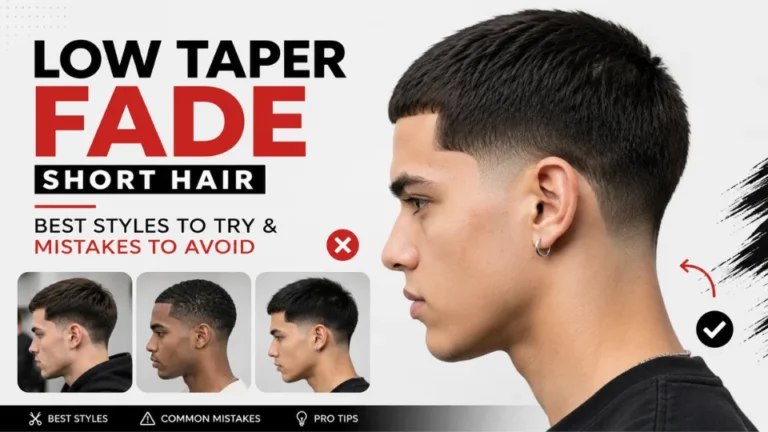
A low taper fade is a haircut where the hair gets shorter as it moves down toward the ears and the back of the neck. The blending, or “fading,” starts close to the hairline instead of higher up on the head.

There is no hard line where the hair suddenly changes length. Instead, the hair blends smoothly from longer on top to very short near the bottom.
Most versions of this low taper fade keep extra length on top. The sides and back get short in a smooth blend near the bottom edge. This gives a clean, neat result without looking too bold.
Some people search using different spellings, like “low taper fad,” “low taperfade,” or even “lowbtaper fade.” No matter how it’s typed, the meaning stays the same: a soft, low blend that keeps things simple.
Where the Blend Actually Starts
The word “low” tells you where the fading begins. On this low taper fade, the blend starts near the ears and neck, not up near the temples or crown.
This is why the finished look appears more subtle than styles that fade higher up. It’s a favorite for people who want something clean without a lot of contrast.
A Quick Look at Where This Style Came From
Fade haircuts have roots that go back many decades, growing out of military and barbershop traditions where short, tidy sides were the norm. Over time, barbers began experimenting with how high or low the fading line should sit.
The lower version of the fade became popular because it offered a middle ground. It gave people a neat, groomed appearance without the dramatic contrast that a high fade creates.
Today, this low taper fade appears everywhere, from office buildings to school hallways to red carpets. A low taper fade’s lasting popularity comes from how easily it adapts to personal taste, hair type, and lifestyle.
Low Fade vs. Mid Fade vs. High Fade
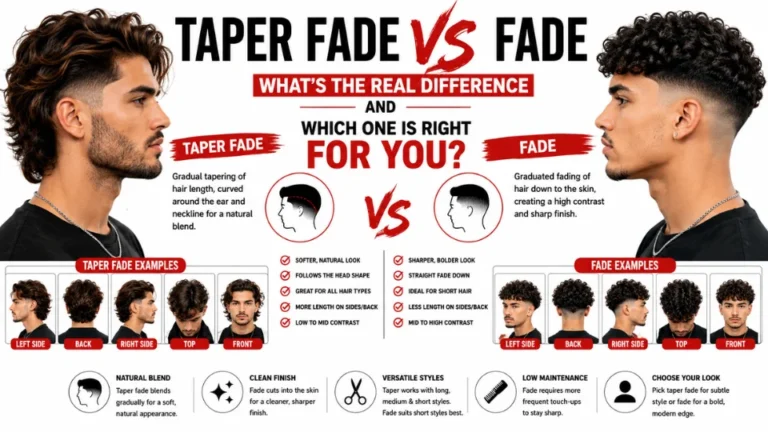
Barbers usually describe fades by the height where the blending starts: low, mid, or high. Each one changes how bold or subtle the final look appears.
Low Fade

As covered above, this version keeps the blend close to the hairline. It creates a soft, natural result that fits casual settings, offices, and everyday routines.
Mid Fade

A mid-height version starts around the middle of the sides. It creates more contrast than a lower blend but still looks fairly balanced and easy to wear.
High Fade

The highest version starts near the top of the head, close to where the hair begins. It creates the boldest, most dramatic look of the three options.
Choosing Between Them
If you prefer something subtle and professional, going lower is usually the safer, more flattering pick. A lower blend also tends to grow out more gracefully, meaning fewer trips back to the chair.
People who want more attention on the sides sometimes prefer a mid or high option instead. It really comes down to personal taste and how bold you want the contrast to look.
Why This Cut Stays So Popular
This low taper fade has held its place in barbershops for one simple reason: a low taper fade works for almost everyone.
A low taper fade suits nearly every hair type. Straight, wavy, curly, and coily hair can all be shaped into this low taper fade with small adjustments from your barber.
A low taper fade flatters many face shapes. Because the blend is subtle, it doesn’t overpower your features. It simply tidies the sides while letting the top do the talking.
A low taper fade fits nearly any setting. This low taper fade looks professional enough for the office yet stylish enough for a weekend out. That flexibility is a big reason people keep coming back to it.
A low taper fade grows out evenly. Unlike bolder, higher fades that can look messy after a couple of weeks, this lower version tends to hold its shape longer between visits.
Popular Variations to Try
There’s no single way to wear this low taper fade. Barbers often pair the sides with different top styles to create a look that matches your personality. Here are some popular combinations.
Paired With a Beard

Combining short, faded sides with a well-groomed beard creates a balanced, masculine look. The sides stay clean while the beard adds shape and structure to the face.
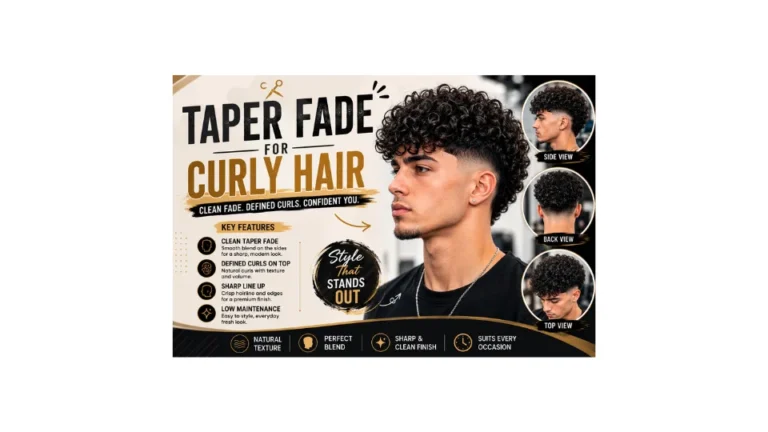
Paired With Curly Hair

For curly hair, the sides stay tidy while the curls on top remain full and bouncy. This is one of the most requested combinations for people with naturally curly or coily hair.
Paired With a Line Up

A line up, sometimes called an edge up, adds a crisp line at the front hairline. Combined with short, blended sides, it creates a sharp, polished finish.
Paired With Waves

For wavy hair, a barber can highlight the wave pattern on top while keeping the sides short and blended underneath.
Paired With a Pompadour

A pompadour adds extra height and volume at the front. Combined with tight, blended sides, it creates a classic, retro-inspired look that still feels current.
Paired With a Buzz Cut

For a simple, low-maintenance option, some people ask for a short buzz on top with tightly blended sides underneath. This combination is quick to style and easy to keep up.
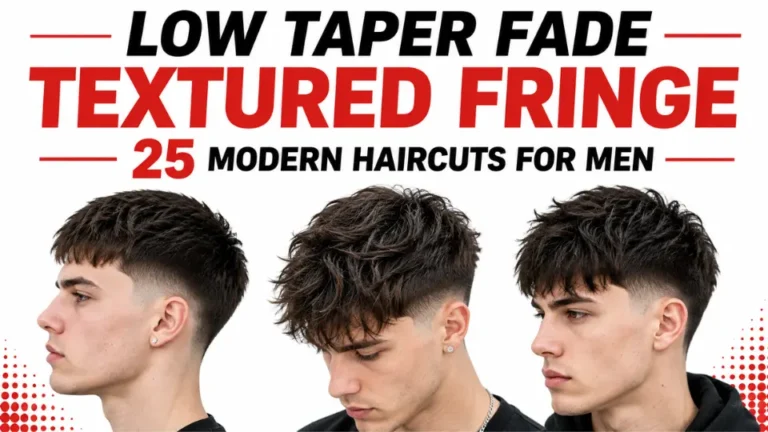
Textured Crop

A textured crop has short, choppy layers on top. Adding blended sides keeps the whole look modern while requiring very little daily styling effort.
Slicked Back Style

Slicking the top back with a small amount of product, paired with short blended sides, creates a sleek, put-together look that works well for formal events.
How to Talk to Your Barber
Clear communication makes a huge difference in how happy you are with the final result. Here are a few tips to help the conversation go smoothly.
Bring a picture. Words can mean different things to different people. A photo removes any guesswork about what you have in mind.
Be specific about the top. Let your barber know how much length you want left. Do you want it short and textured, or a bit longer for styling flexibility?
Mention your hair type. If your hair is curly or coily, let your barber know ahead of time so they can adjust their technique.
Ask questions. If you’re unsure about guard numbers or blend height, just ask. A good barber will happily explain the process as they work.
Discuss maintenance. Ask how often you should come back for a touch-up based on how fast your hair grows.
Who This Style Works Best For
This low taper fade is flexible enough to suit many different people, but a low taper fade tends to shine in a few particular situations.
Professionals often choose this low taper fade because it looks neat and polished without drawing too much attention in a workplace setting.
Students like it because it’s low-maintenance and works for both classes and casual weekends without extra effort.
Anyone with thick or curly hair benefits from how the shorter sides reduce bulk while letting curls on top stay full and defined.
People easing into a fade for the first time often start here before trying bolder mid or high options later on.
Older men frequently prefer this low taper fade because a low taper fade offers a clean, age-appropriate look that isn’t too flashy.
Matching the Cut to Your Face Shape
Not every version of this low taper fade looks the same on every face. A skilled barber will adjust small details to flatter your particular shape.
Round Faces
Adding height on top alongside short, blended sides can help create the appearance of a longer face shape.
Square Faces
Softer, textured styling on top pairs nicely with blended sides to balance out strong jaw features.
Oval Faces
Oval face shapes tend to suit almost any version of this low taper fade, since the proportions are already balanced.
Long Faces
Keeping the top shorter, rather than adding extra height, can help avoid making a long face look even longer.
How to Maintain the Style at Home
Getting a low taper fade is only half of the process. Keeping it sharp between visits takes a small amount of daily care.
Schedule Regular Trims
Most people schedule a touch-up every two to four weeks. Because the blend starts low, a low taper fade tends to grow out more evenly than higher fades, giving you a bit more flexibility with timing.
Use the Right Products
A light pomade, matte clay, or styling cream can help keep the top of your hair in shape throughout the day.
Moisturize Your Scalp
Short sides can sometimes feel dry, especially in colder months. Using a light oil or moisturizer on the scalp keeps the skin healthy and comfortable.
Protect Your Hairline
If you have a line up as part of your style, try to avoid touching or rubbing the front too often, since this can make the sharp edge fade faster than it should.
Sleep With Care
Wearing a silk or satin cap at night can help protect your style and reduce frizz, especially if your hair is curly or wavy.
Brush and Comb Regularly
A soft brush can help train the top of your hair to lay in the direction you prefer, especially in the first few days after a fresh cut.
Cost and How Often to Get It Redone
Prices for this low taper fade vary quite a bit depending on where you live and the barbershop you visit. In many places, a standard visit costs somewhere between fifteen and fifty dollars, though upscale shops in bigger cities can charge more.
Because the blend sits low on the head, a low taper fade tends to hold its shape a little longer than higher fades. Most people find that scheduling a fresh cut every two to four weeks keeps the low taper fade looking its best.
If you’re on a budget, ask your barber whether a slightly longer guard on the blend area might stretch the time between visits without ruining the overall shape.
Common Mistakes to Avoid
Even a great haircut can look less than perfect if a few small mistakes happen along the way.
Waiting too long between visits. Even though this low taper fade grows out gracefully, waiting many extra weeks can make the blend start to look uneven.
Choosing the wrong guard size. If a barber uses a guard that’s too short or too long, the finished blend may look harsh or barely noticeable. Clear communication helps avoid this.
Skipping the consultation. Rushing into the chair without explaining what you want can lead to a result that doesn’t match your expectations.
Ignoring your face shape. A style that looks great on one person may not suit another. A skilled barber will adjust the low taper fade to fit your individual features.
Over-styling with too much product. Using too much pomade or gel can make the top look greasy instead of clean and natural.
Cutting it yourself without practice. Blending clippers smoothly takes real skill. A rushed at-home attempt can leave visible lines that are hard to fix.
Best Results by Hair Texture
One of the biggest advantages of this low taper fade is how well a low taper fade adapts to different hair types. Here’s a closer look at a few examples.
Straight Hair
On straight hair, the blend creates a very clean, sharp appearance. The transition is easy to see, and styling the top is usually simple and quick.
Wavy Hair
Wavy hair pairs nicely with short, blended sides because the natural waves on top add texture while everything below stays neat.
Curly Hair
For curly hair, barbers often leave more length on top to let the curls show their natural shape, while the shorter sides keep things controlled.
Coily Hair
Coily hair tends to hold a lot of volume, so shorter, blended sides help balance out that fullness and create a more defined shape overall.
Thinning Hair
For those with thinning hair, keeping the sides short and blended can actually make the top appear thicker and fuller by comparison.
Products That Work Well With This Style
The right products can make a noticeable difference in how your haircut looks and lasts throughout the day.
Pomade offers shine and a strong hold, making it a favorite for slicked-back or classic looks.
Matte clay provides a strong hold without shine, which works well for textured, natural-looking styles.
Sea salt spray can add texture and volume for wavy or straight hair that needs a bit of lift.
Curl cream helps define curls on top while keeping frizz under control throughout the day.
Light hair oil can be used on the scalp to prevent dryness on the shorter, blended areas.
Low Taper Fade in Pop Culture
Over the past several years, this low taper fade has shown up on athletes, musicians, and actors, which has helped push its popularity even higher. When a low taper fade appears on a well-known public figure, barbershops often see a spike in requests for the same look within days.
Social media has played a big role too. Short video clips showing the full transformation, from a shaggy starting point to a crisp low taper fade, tend to perform extremely well online. This has made the low taper fade feel approachable, since people can watch the entire process before ever sitting in a barber’s chair.
It also helps that the low taper fade photographs well. A low taper fade holds its shape under different lighting and angles, which is part of why it remains a favorite for portraits, professional headshots, and everyday selfies alike.
Low Taper Fade by Age Group
This low taper fade isn’t limited to one age group. Barbers report requests from teenagers all the way up to men in their sixties and seventies, and the reasons for choosing it tend to shift slightly with age.
Teens and Young Adults
Younger clients often ask for a lower taper fade paired with bold designs, part lines, or a longer, textured top. A low taper fade gives them room to experiment while still keeping a clean base.
Working Professionals
For adults in office jobs, a low taper fade is often requested with less styling drama on top. The goal here is usually a clean, polished appearance that requires minimal daily upkeep.
Older Men
Many older clients prefer a low taper fade because it hides thinning patches gracefully and avoids looking overly trendy. A few even describe it simply as “low tapers done right,” since the emphasis is on subtlety rather than flash.
Seasonal Styling Tips
Weather and season can change how you care for and style this low taper fade throughout the year.
Summer
Heat and sweat can make styling products feel heavy. A lightweight matte clay or light spray tends to work better than heavy pomades during hot months.
Winter
Cold, dry air can make the scalp itch or flake, especially around the shorter, blended sections. A small amount of light oil helps keep the skin underneath comfortable.
Rainy Seasons
Humidity can cause frizz on top, particularly for wavy or curly hair. A light anti-frizz cream applied sparingly can help the low taper fade hold its shape even in damp weather.
Step-by-Step Tutorial: How the Cut Is Done
Step 1: Consultation
The barber will ask about your hair type, face shape, and how much length you want to keep on top. This is the best moment to show a reference picture.
Step 2: Choosing the Clipper Guard
Barbers use different clipper guard sizes to control how short the sides become. For this low taper fade, they usually start with a slightly longer guard near the top edge of the blend area.
Step 3: Starting the Blend Low
The barber begins cutting near the hairline, close to the ears and neck. This is what keeps the fading low instead of moving it up toward the mid or high area.
Step 4: Blending the Sides
Using smaller guards or clippers without a guard, the barber smooths out the transition so there are no harsh lines. This step is what turns a simple short cut into a proper fade.
Step 5: Cutting the Top
Once the sides are blended, the barber moves to the top of the head. Scissors are often used here to shape the length and texture you asked for.
Step 6: Detailing the Edges
The barber cleans up the hairline, sideburns, and neckline using clippers or a straight razor. This final detail work gives the low taper fade its crisp, finished appearance.
Step 7: Styling
Finally, the barber may apply a small amount of product, such as pomade or matte clay, to style the top the way you want it to sit.
Tools Barbers Use for This Cut
Understanding the tools involved can help you appreciate why skill matters so much with this low taper fade.
Clippers with multiple guard sizes allow the barber to control exactly how short each section becomes.
Trimmers handle the finer detail work around the ears, neckline, and hairline.
Scissors and combs shape and texture the longer hair left on top.
A straight razor is sometimes used for an extra-crisp hairline or edge up.
Because a low taper fade relies so heavily on smooth blending rather than a single guard length, an experienced hand with these tools makes a noticeable difference in the final result.
At-Home Care Checklist
Here is a simple checklist you can follow between barbershop visits to keep your low taper fade looking fresh.
- Wash your hair two to three times a week with a gentle shampoo.
- Apply a light styling product only to the top section of hair.
- Moisturize the scalp along the shorter, blended sides.
- Trim stray hairs around the neckline if needed between visits.
- Book your next appointment two to four weeks out.
- Protect your style at night with a soft cap or pillowcase.
Following even a few of these steps can help your haircut stay sharp for longer, which means fewer rushed trips back to the barbershop.
Frequently Asked Question
What does this haircut actually mean?
A low taper fade describes a fade that begins near the hairline and ears rather than higher up on the sides, creating a soft, subtle blend from longer hair on top to short hair near the bottom.
How is it different from a regular taper?
A regular taper simply gets shorter gradually without a hard blend, while this low taper fade creates a smoother, more defined transition down to a very short length near the base.
Is this a good choice for a first fade?
Yes. Many people choose a low taper fade as their first fade because it’s subtle, easy to maintain, and grows out evenly compared to bolder options.
How often should it be touched up?
Most people schedule a refresh every two to four weeks, depending on how quickly their hair grows.
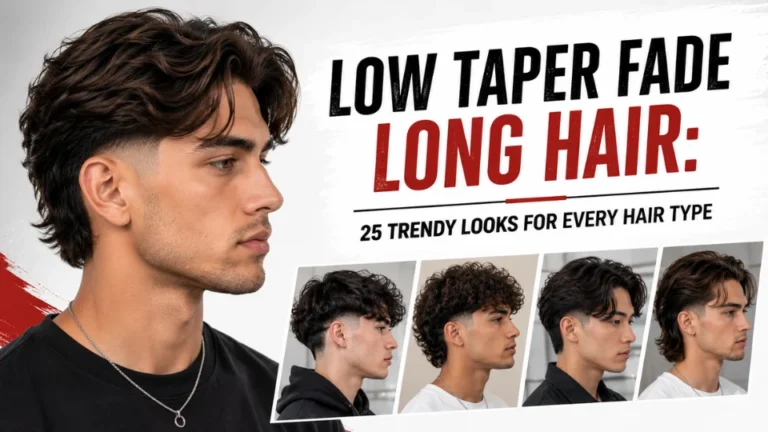
Can it work with longer hair on top?
Yes. A low taper fade pairs well with almost any length on top, from a short crop to longer, styled hair.
Does it work for curly hair?
Absolutely. Many people with curly or coily hair prefer this low taper fade option because it keeps the sides tidy without disturbing the curl pattern up top.
What’s the real difference between a low and mid version?
The main difference is where the blend starts. The lower version begins near the hairline, while the mid-height version starts higher on the sides, creating more contrast.
How do I explain what I want to my barber?
Bring a reference photo, mention your hair type, and let your barber know how much length you’d like on top. Clear communication leads to a much better result.
Is it professional enough for an office job?
Yes. This is one of the main reasons people choose a low taper fade in the first place. The subtle blend looks neat and polished, making it a safe, reliable option for workplace settings.
Can women get this haircut too?
Yes. While it’s especially popular among men, plenty of women also choose this low taper fade for a bold yet low-maintenance look.
Does it cost more than a regular haircut?
Usually not. Most barbershops charge the same price for this low taper fade as they would for any standard men’s haircut, though pricing always varies by location.
Will it work if my hair is thinning?
Yes, and it can even help. Shorter, blended sides often make thinning hair on top look fuller by comparison.
Final Thoughts
This low taper fade remains one of the most versatile, easy-to-maintain styles available today. A low taper fade works for nearly every hair type, flatters many face shapes, and fits comfortably into both casual and professional settings.
Whether you pair it with a beard, curls, waves, or a crisp line up, this low taper fade offers a clean, timeless look that never really goes out of style. If you’re ready for a fresh, low-maintenance haircut, bring this guide to your next barbershop visit and start the conversation with confidence.