Taper Fade Mullet: The Complete Guide to the Coolest Haircut Trend

Short on the sides. Long in the back. A clean, blended fade holding it all together. That’s the taper fade mullet, and right now it might be the most requested haircut at barbershops everywhere.
Maybe you’ve seen it all over TikTok. Maybe your barber already mentioned it. Either way, you’re probably wondering what it actually is, whether it will suit you, and how to ask for it without getting a confused look in the chair.
This guide walks you through all of it. You’ll learn the different styles, which version fits your hair type, how to keep it looking sharp, and a full step-by-step tutorial for getting the cut right the first time.
What Is a Taper Fade Mullet?
A taper fade mullet mixes two classic barber techniques. First, there’s the taper fade. This is where hair on the sides and back gets shorter as it moves down toward the skin. Second, there’s the mullet. This is a style with short hair on top and longer hair left at the back.
Put them together, and you get a modern mullet fade. The sides are clean and blended. The top has texture and length. The back stays long, giving that classic mullet shape.
This isn’t your grandpa’s mullet from the 1980s. The modern version is sharper, cleaner, and more wearable. It works in the office, at school, and on a night out.
Barbers often describe it as “business up front, party in the back,” but with a blended, modern twist that removes the harsh lines old-school mullets used to have.
The Basic Parts of the Haircut
Every taper fade mullet haircut has three main sections:
- The sides. These get faded, meaning the hair gradually gets shorter toward the ears and neck.
- The top. This section stays longer and often has texture, waves, or curls left in.
- The back. This is where the mullet part shows. Hair is left longer here, sometimes reaching the collar or shoulders.
A skilled barber blends all three sections so there are no harsh lines. That smooth blend is what separates a great mullet taper fade from a messy one.
Why This Cut Is So Popular
The taper fade mullet has become one of the biggest haircut trends of the decade. There are a few clear reasons why.
It’s flexible. You can make it neat and professional or wild and edgy. A low taper fade mullet looks subtle. A high fade mullet looks bold.
It’s low maintenance. Once you get the shape right, upkeep is fairly simple. A trim every few weeks keeps the fade sharp.
Social media loves it. The viral mullet haircut trend has exploded on TikTok and Instagram. Search “tiktok mullet haircut” and you’ll find thousands of transformation videos.
Celebrities and athletes wear it. Soccer players, musicians, and actors have brought the modern mullet back into the spotlight, making it one of the top haircut trends of 2026.
It works with almost any hair type. Curly, straight, thick, or thin — there’s a version of this style for everyone, which we’ll cover in detail below.
Types of Taper Fade Mullet Styles
Not all taper fade mullets look the same. The fade height and top texture change the whole look. Here are the most popular variations barbers are doing right now.
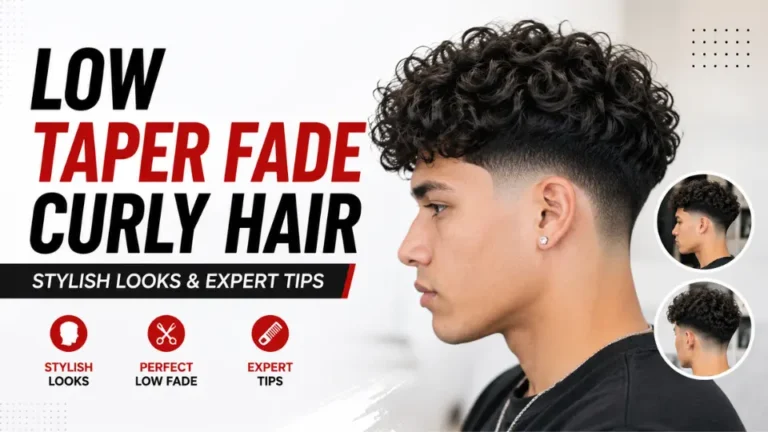
Low Taper Fade Mullet

The low taper fade mullet keeps the fade close to the ears and neckline. It’s the most subtle version and works well for office settings or conservative dress codes. Length up top and in the back stays untouched, so you still get the full mullet effect without a bold, high-contrast fade.
Mid Taper Fade Mullet

This is the most popular choice for most people. The mid taper fade mullet starts around the temple area, giving a balanced look that isn’t too flashy but still shows off clean blending. It’s a safe, versatile middle ground.
Styling Tip: Keep the top textured with a matte styling cream and maintain regular fade touch-ups every 2–3 weeks for a clean, balanced look.
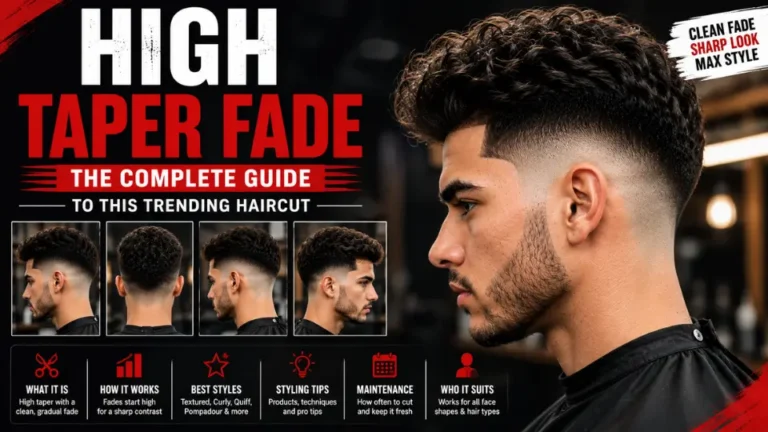
High Taper Fade Mullet

The high taper fade mullet starts much higher on the head, closer to the crown. This creates more contrast between the short sides and the long back and top. It’s a bolder, more modern look that stands out.
Skin Taper Fade Mullet

Also called a bald fade, the skin taper fade mullet fades all the way down to the skin at the bottom. This creates the sharpest, most dramatic contrast of any fade style. It pairs especially well with a mohawk on top or a slicked-back finish.
Burst Taper Fade Mullet

A burst fade mullet curves around the ear instead of going in a straight line. This creates a rounded, sunburst pattern of shorter hair near the ear. It’s popular with curly and coily hair types because it highlights natural texture beautifully.
Styling Tip: Define your curls with a lightweight curl cream or mousse, and keep the burst fade cleaned up every 2–3 weeks. This helps the rounded fade stay sharp while making the mullet’s natural texture stand out.
Textured and Fluffy Taper Fade Mullet

A textured taper fade mullet uses layers and product to create volume and movement on top. A fluffy mullet takes this further, with extra volume that looks relaxed and effortless. This style pairs well with natural waves or curls.
Messy Taper Fade Mullet

A messy taper fade mullet has an undone, lived-in look. Instead of sleek styling, the hair looks slightly tousled. It’s low effort but still looks intentional, which is why it’s a favorite among teenagers and young men.
Disconnected Taper Fade Mullet

A disconnected version skips the smooth blend between the top and sides. Instead, there’s a visible gap in length, creating a sharp, edgy contrast. This is a bolder choice for people who want their haircut to make a statement.
Shag Mullet Taper Fade

The shag mullet taper fade combines heavy layering with the classic mullet shape. It gives a retro, rock-and-roll vibe with lots of texture throughout, not just on top.
Mohawk Taper Fade Mullet

This version keeps a strip of longer hair down the center of the head, similar to a mohawk, while fading the sides down to skin. It’s one of the boldest taper fade mullet haircut ideas out there.
Slick Back Taper Fade Mullet

Here, the top hair is combed straight back using gel or pomade, creating a sleek, polished look. It’s a great choice for anyone who wants a mullet that looks sharp and put-together rather than messy.
Classic Taper Fade Mullet

The classic version sticks close to the original 80s shape but with modern blending techniques. Less texture, more structure — a great pick for people who want a timeless look.
Trending Cuts: Edgar Mullet, Mexican Mullet, and Wolf Cut Mullet
A few specific trending mullet haircut styles deserve their own mention:
- The Edgar mullet combines a straight-across fringe with a mullet back and faded sides. It’s especially popular among young men and teens.
- The Mexican mullet often features curlier top texture with a tighter fade and a fuller back, celebrating natural curl patterns.
- The wolf cut mullet blends heavy shag layers with mullet length, creating a shaggy, textured look. Many people compare mullet vs wolf cut styles, and honestly, they overlap quite a bit — the wolf cut is really a textured cousin of the mullet.
Best Mullet Fade by Hair Type
Not every hair type styles the same way. Here’s how to adapt the taper fade mullet based on what you’re working with.
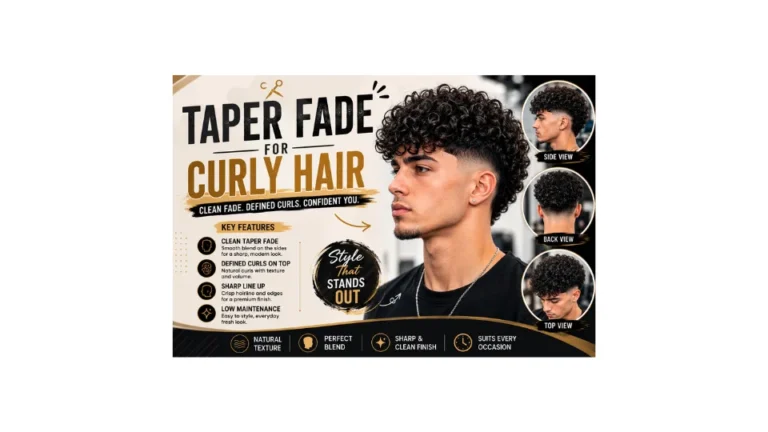
Curly Taper Fade Mullet

A curly taper fade mullet looks amazing because curls naturally add volume and texture on top. The curly mullet taper fade works especially well with a burst fade, which curves around the curls instead of cutting straight lines. Ask your barber to leave extra length on top so your curl pattern can shine.
Wavy Taper Fade Mullet

Wavy hair gives a relaxed, textured look without much effort. A wavy version holds shape well and looks great whether it’s styled or left natural. Light sea salt spray can enhance the waves for a beachy finish.
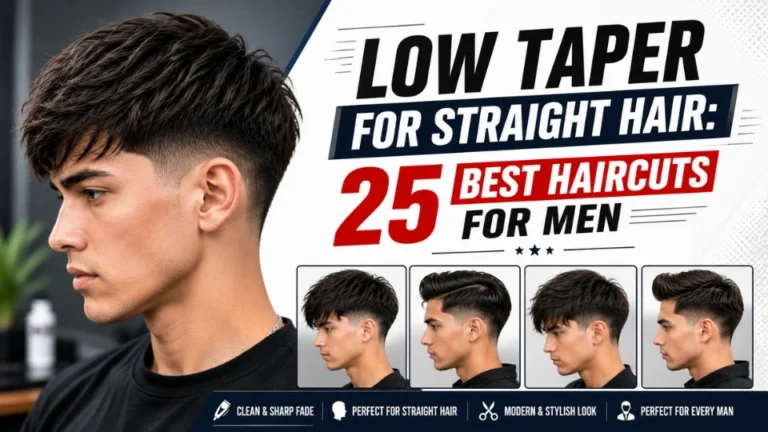
Straight Hair Taper Fade Mullet

Straight hair styles tend to look sleeker and more structured. Since straight hair falls flat, adding some layering helps create movement so the cut doesn’t look too flat on top.
Thick Hair Taper Fade Mullet

Thick hair holds volume naturally, which is great for fluffy or textured looks. Barbers often thin out thick hair slightly with texturizing shears so it doesn’t look too bulky.
Thin Hair Taper Fade Mullet

For thin hair, less is more. Keeping some length and avoiding overly thin layers helps the hair look fuller. A light perm can also add volume if needed.
Afro and Coily Taper Fade Mullet
An afro taper fade mullet or coily version keeps the natural curl pattern intact on top while fading the sides close. This style celebrates natural texture and is one of the most striking versions of the cut.
Black Men’s Taper Fade Mullet
This cut for black men often pairs a skin fade or burst fade with natural curl or coil texture on top and in the back. Many barbers who specialize in this style use clippers to sculpt sharp, clean lines around the edges.
Asian Taper Fade Mullet
This style usually works with straighter, thicker hair. Layering the top helps create texture, and a mid or high fade adds contrast against naturally dense hair.
Who Suits a Taper Mullet?
A common question is: who suits a taper fade mullet? The good news is that this cut is more flexible than people think.
Face shape matters less than you’d expect. Round faces often look great with height added on top, which this style naturally provides. Square and oval faces can handle almost any variation. Longer faces might want to avoid too much extra height and instead keep more width with textured layers.
Hair type isn’t a barrier. As shown above, there’s a version for curly, straight, thick, and thin hair.
Lifestyle matters too. If you work in a formal environment, a low taper fade mullet with a classic mullet fade keeps things professional. If you have more creative freedom, a high or skin fade with bold texture lets you have more fun.
The bottom line: almost anyone can pull off a taper fade mullet with the right variation and a skilled barber.
Taper Fade Mullet for Every Age Group
This haircut isn’t limited to one age group. Here’s how it works across different ages.
Taper Fade Mullet for Men
For adult men, this cut strikes a balance between professional and stylish. A mid or low taper fade mullet for men keeps things sharp without looking too flashy for work or family settings.
Taper Fade Mullet for Young Men
Young men often lean toward bolder versions, like the burst fade mullet or skin taper fade, paired with textured or messy styling on top.
Taper Fade Mullet for Teenagers
The taper fade mullet for teenagers is one of the most requested cuts at barbershops today. Teens often want trending options like the Edgar mullet or wolf cut mullet, both of which pair perfectly with a fade.
Taper Fade Mullet for Boys and Kids
A taper fade mullet for boys or for kids usually keeps things simpler and shorter overall. A low taper fade with a slightly longer back is easy to maintain and still gives that fun mullet look without too much upkeep for parents.
How to Ask Your Barber for This Cut
Not sure how to explain what you want? This step-by-step tutorial makes it easy.
Step 1: Choose Your Fade Height
Decide if you want a low, mid, or high taper fade mullet. Tell your barber the height using clipper guard numbers if you know them, or simply point to reference photos.
Step 2: Pick a Fade Style
Let your barber know if you want a regular taper fade, a burst fade that curves around the ear, or a skin fade that goes all the way to bare skin.
Step 3: Decide on Top Length and Texture
Tell your barber how much length you want on top. Mention if you want it textured, fluffy, messy, slicked back, or classic and neat.
Step 4: Explain the Back Length
This is the most important part of any mullet. Be clear about how long you want the back — collar length, shoulder length, or somewhere in between.
Step 5: Bring Reference Photos
Photos remove all guesswork. Save two or three images of taper fade mullet haircut ideas that show the fade height, top texture, and back length you like.
Step 6: Ask for a Consultation First
Before the clippers come out, ask your barber to walk you through the plan. A good barber will explain how they plan to blend the fade into the mullet shape.
Step 7: Communicate During the Cut
Speak up if something doesn’t look right partway through. It’s much easier to adjust mid-haircut than after it’s finished.
Following this tutorial makes sure you and your barber are on the same page before a single clipper turns on.
Tutorial: How to Style Tapper Fade Mullet
Step 1: Start With Clean, Towel-Dried Hair
Wash your hair and dry it with a towel until it’s damp, not soaking wet. Styling products work best on slightly damp hair.
Step 2: Apply the Right Product
For textured or messy looks, use a matte clay or texturizing paste. For slicked-back styles, use a pomade or styling gel. Start with a small, coin-sized amount.
Step 3: Work Product Through the Top First
Rub the product between your palms, then scrunch or comb it through the top section. This is where most of your styling happens.
Step 4: Shape the Back
Use your fingers or a comb to shape the longer back section. Some people like it flowing naturally, while others prefer a slight curl or flip at the ends.
Step 5: Blend the Sides
Lightly smooth the faded sides so there’s no harsh gap between the short sides and the longer top. A small amount of product here keeps everything looking connected.
Step 6: Finish With a Light Hold Spray
If you want your style to last all day, finish with a light-hold hairspray. This is optional but helpful for windy days or long shifts.
Step 7: Adjust Throughout the Day
Carry a small comb or your fingers to quickly reshape your style if needed, especially after wearing a hat or helmet.
With practice, this whole routine takes less than five minutes.
Maintenance Guide
Keeping a taper fade mullet looking sharp takes a little routine care. Here’s what to know about upkeep.
Trim the fade every 2 to 3 weeks. The sides grow out fastest, so regular trims keep that clean, blended look.
Let the back and top grow longer. Part of the appeal of a mullet is length in the back, so don’t trim it as often as the sides.
Wash regularly but don’t overdo it. Washing two to three times a week keeps hair healthy without stripping natural oils, which matters more for curly and coily types.
Use a light conditioner on the longer sections. The back and top can get dry or tangled, especially with longer length, so conditioner helps keep it manageable.
Book touch-ups at the barbershop. Even between full haircuts, a quick neck and side cleanup keeps the fade looking fresh.
Protect your hair at night. If you have textured or curly hair, a silk or satin pillowcase helps reduce frizz and keeps your curl pattern intact.
Good maintenance is what separates a sharp taper fade mullet from one that looks grown out and messy.
Taper Fade Mullet vs. Other Popular Cuts
People often compare this cut to other trending styles. Here’s how they stack up.
Taper Fade Mullet vs. Burst Fade Mullet
The main difference is the fade shape. A standard taper fade mullet fades in a straight line down the side. A burst fade mullet curves around the ear in a half-circle pattern. Burst fades tend to suit curly hair better, while standard tapers work well for most hair types.
Taper Fade vs. Fade
A taper fade gradually shortens hair without ever reaching bare skin. A regular fade, especially a skin fade, can go all the way down to the scalp. Tapers are more subtle; fades are bolder.
Taper Fade vs. Low Fade vs. High Fade
These terms describe where the fade starts. A low fade starts near the ears. A high fade starts much higher, near the crown. A taper is more of a technique — gradual blending — while low and high describe fade placement. You can combine them, for example a low taper fade, which is one of the most requested combinations.
Burst Fade vs. Taper Fade
A burst fade is a specific fade shape, rounded around the ear. A taper fade is a broader blending technique. In short, a burst fade is one type of taper fade, not a separate category entirely.
Mullet vs. Wolf Cut
A traditional mullet has a clear short-long divide between the top and sides and the back. A wolf cut adds heavy layering and shag texture throughout the whole head, blurring that divide. Many modern mullets today actually borrow wolf cut layering techniques, which is why the two trends often overlap.
Mullet vs. Taper Haircut
A mullet is defined by its length pattern: short in front, long in back. A taper haircut refers to how the sides are cut, gradually shorter toward the neckline. You can have a taper without a mullet, but combining both techniques into one haircut is exactly what makes a taper fade mullet.
Is It Attractive and In Style?
This is one of the most searched questions, so let’s answer it directly.
Is a taper fade mullet attractive? Attractiveness is personal, but this cut has become one of the most requested styles at barbershops worldwide. Its popularity across social media and among celebrities suggests plenty of people find it appealing.
Is a taper fade mullet in style? Yes. Mullet hairstyles for 2026 continue to trend upward, with more variations, more textures, and more hair types represented than ever before. It’s not a passing fad — it’s become a staple modern hairstyle.
Should I get a taper fade mullet? If you like the idea of a low-maintenance cut with plenty of personality, and you’re open to experimenting with length and texture, this cut is worth trying. Start with a lower, more subtle version if you’re unsure, since it’s easier to grow into a bolder look later than to undo a dramatic cut.
Before and After: What to Expect
A taper fade mullet before and after transformation usually follows this pattern.
Before: Hair is often one uniform length all around, or it’s grown out without much shape or structure.
During: The barber fades the sides first, working from longer guards down to shorter ones near the neck and ears. Then they shape the top, adding length and texture. Finally, they clean up the back, leaving the signature mullet length.
After: You’ll notice sharp contrast between the faded sides and the longer top and back. The whole look feels more intentional, modern, and put-together compared to before.
Most people are surprised by how much more defined their features look once the sides are faded properly. It’s often the fade, not just the mullet length, that makes the biggest visual difference.
Frequently Asked Questions
What is a taper fade mullet?
It’s a haircut that combines a gradual fade on the sides with a mullet, meaning long hair at the back and shorter, textured hair on top.
How do I ask for a taper fade mullet at the barbershop?
Tell your barber the fade height (low, mid, or high), the fade style (regular or burst), how much length you want on top, and how long you want the back.
How often do I need a trim?
Every 2 to 3 weeks for the fade. The top and back can go longer between trims since you want to keep that length.
Can I get this cut with curly hair?
Yes. Curly and coily hair types often look especially good with this haircut, particularly with a burst fade that follows the natural curl pattern.
Is a taper fade mullet good for a first-time bold haircut?
Yes, especially if you start with a low taper fade. It’s a great introduction to more expressive haircuts without going too extreme.
Final Thoughts
The taper fade mullet has earned its spot as one of the top haircut trends for good reason. It’s flexible enough to fit almost any hair type, face shape, and personal style. Whether you want something low-key and professional or bold and eye-catching, there’s a version of this cut for you.
The key to nailing the look comes down to two things: a skilled barber who understands blending, and a clear idea of what you want going in. Use the tutorials above to communicate your vision, keep up with regular maintenance, and you’ll have a sharp, modern haircut that turns heads for all the right reasons.
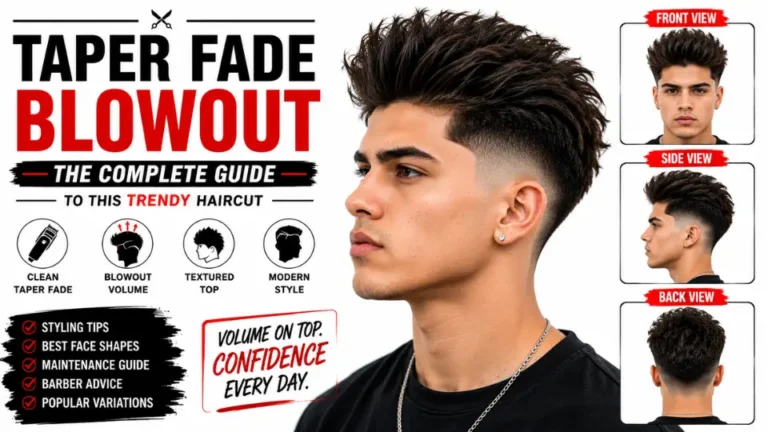
Next Up: Want a high-volume style that delivers maximum flow and shape? Read our full breakdown of the Taper Fade Blowout.