Taper Fade vs Fade: What’s the Real Difference and Which One Is Right for You?

Taper Fade vs Fade is one of the most common haircut comparisons among men, yet many people still assume these two styles are exactly the same. While both create a clean, modern appearance, they differ in how the hair is blended, where the transition begins, and the overall look they create.
Walk into any barbershop and you’ll often hear customers asking for a fade or a taper fade without knowing the difference. This confusion can lead to a haircut that doesn’t match your expectations. Understanding taper fade vs fade before your appointment helps you communicate more clearly with your barber.
A taper fade offers a more gradual and subtle transition around the neckline and sideburns, while a traditional fade usually blends much higher and creates stronger contrast between the top and the sides. Choosing between taper fade vs fade depends on your personal style, hair type, face shape, and how much maintenance you’re willing to do.
In this guide, we’ll break down the key differences between these two popular haircuts, compare their styling options, explain who each cut is best suited for, and share practical barber tips to help you make the right choice. You’ll also learn how low, mid, and high fades compare to taper fades in different situations.
By the end of this article, you’ll have a clear understanding of taper fade vs fade, making it easier to choose the haircut that fits your lifestyle, grooming routine, and personal style with confidence before your next visit to the barber.
What Is a Fade Haircut?
How a Fade Works

A fade is a barbering technique where the hair is cut so short on the sides and back that it seems to disappear into the skin. The length starts very short at the bottom and gradually increases as you move up the head.
The key feature of a fade is that it reaches the skin at some point, usually at the bottom near the hairline. There’s no sudden jump in length. The change is smooth and blended, which is where the word “fade” comes from.
Barbers use multiple clipper guard sizes to create this effect. A fade typically goes from bare skin or a very close cut at the bottom, through progressively longer guards, before blending into the longer hair on top.
The top of the head can be any length. A fade is purely about what happens on the sides and back.
Types of Fade Haircuts

Fades come in several forms. A low fade starts just above the ears and neckline. A mid fade starts around the temple area. A high fade starts near the top of the head.
Then there are specialty versions. A skin fade (also called a bald fade) takes the hair all the way down to bare skin. A drop fade follows a curved arc behind the ear. A burst fade creates a half-circle shape radiating out from the ear.
Each version differs based on how high the fade starts and how the shape wraps around the head.
What Is a Taper Fade Haircut?
How a Taper Fade Works

A taper fade is a specific variation within the fade family. Like a regular fade, it gradually shortens the hair on the sides and back. The difference is in how it finishes at the bottom.
This cut doesn’t necessarily take the hair down to bare skin. Instead, it gradually reduces the length toward the hairline without fully disappearing. Some hair always remains, even at the very shortest point, unless it’s specifically cut as a skin taper.
Think of it as a softer, more gradual version. The transition from the longer top to the shorter sides is still smooth, but the overall look is less aggressive than a standard fade.
This is why many people find this style easier to grow out. As the hair grows back, it doesn’t reveal a stark contrast between bare skin and longer hair. The growth looks more natural.
Types of Taper Fade Haircuts

Just like regular fades, taper fades come in low, mid, and high versions based on where the fade starts. A low taper fade is subtle and conservative. A mid taper fade is the most popular and balanced option. A high taper fade is bold and dramatic.
The difference in each case is that even at the shortest point, the true version keeps a thin layer of hair rather than going all the way to skin.
Taper Fade vs Fade: The Key Differences Explained
Where the Hair Ends
The biggest difference in taper fade vs fade comes down to where the hair finishes at the bottom of the cut.
A regular fade usually blends down to bare skin or nearly bare skin around the neckline and sideburns. A taper fade, on the other hand, finishes with very short but still visible hair. Both haircuts use smooth blending techniques, but the endpoint is what separates a taper fade vs fade haircut.
If you look at someone’s neckline and can clearly see skin, you’re most likely looking at a regular fade or skin fade. If the neckline still has a fine layer of hair, even at its shortest point, it’s a taper fade.
How Much Skin Shows
Another important difference in taper fade vs fade is the amount of visible skin.
With a regular fade, exposed skin is an intentional part of the haircut. The strong contrast between bare skin and the longer hair above creates a bold, modern appearance.
A taper fade may show very little skin or none at all, depending on the barber’s technique. Many taper fades blend extremely close to the skin while maintaining a thin layer of hair, creating a softer and more natural transition.
This is why a taper fade generally looks more subtle and less dramatic than a traditional fade.
How Long It Lasts
When comparing taper fade vs fade, maintenance is another major factor.
A regular fade—especially a skin fade—shows new hair growth quickly because even a few days of regrowth become noticeable against the shaved area.
A taper fade is much more forgiving. Since there is still short hair at the bottom of the haircut, minor regrowth blends in naturally. Most men can comfortably wait one or two weeks longer between barber visits while still keeping their taper fade looking clean.
How Bold the Look Is
The final difference in taper fade vs fade is the overall appearance and level of contrast.
A regular fade creates a bold, eye-catching look because the exposed skin adds strong contrast between the sides and the longer hair on top.
A taper fade offers a cleaner, more understated finish. The gradual blend looks polished without drawing as much attention to the sides, making it an excellent choice for professional workplaces, formal settings, and everyday wear.
If you want a subtle, versatile haircut, a taper fade is often the better option. If you prefer a sharper, high-contrast style that stands out, a regular fade is the stronger choice.
Taper vs Taper Fade: Is There a Difference?
What Is a Taper?

A taper vs taper fade comparison often causes confusion because the two terms are closely related, but they do not describe the same haircut. Understanding the difference helps you choose the right style before visiting your barber.
A taper haircut is simply a gradual reduction in hair length from the top toward the neckline and around the ears. Unlike a taper fade, a regular taper does not usually blend down to skin or an extremely short length. Many classic men’s haircuts include a light taper while maintaining a natural, balanced appearance.
A classic taper creates a softer and more subtle transition. The hair may gradually reduce from about an inch in length to a quarter inch near the neckline, but it avoids the sharp blending and close-to-skin finish that defines a taper fade haircut.
Taper vs Taper Fade: What Changes

When people compare taper vs taper fade, they’re really asking two questions: how gradual is the blend, and how short does the hair become at the bottom?
A regular taper keeps the haircut conservative and natural. It’s commonly seen in traditional barber styles where the sides are shorter than the top but still retain noticeable length without creating dramatic contrast.
A taper fade takes the same concept further by blending the hair much more closely. The transition is smoother, the contrast between the top and sides becomes more noticeable, and the hair at the neckline often fades to an extremely short length or nearly to the skin.
Styling Tip: Choose a regular taper for a classic, subtle look, or a taper fade for a sharper style with stronger contrast and cleaner edges.
Taper Fade vs Taper: Which Is Better?

When deciding between taper fade vs taper, the better haircut depends entirely on your personal style, grooming routine, and the level of contrast you want. A regular taper is ideal for men who prefer a subtle, professional look, while a taper fade haircut offers a cleaner, more structured appearance with greater visual impact.
If you walk into a barbershop and ask for a taper, you’ll usually receive a classic haircut with a gentle transition around the neckline and ears. If you ask for a taper fade, expect a more defined blend, shorter sides, and a modern finish that stands out while remaining versatile enough for both casual and professional settings.
Taper Fade vs Regular Fade: Side-by-Side Comparison
Taper Fade vs Normal Fade at a Glance

| Feature | Taper Fade | Regular Fade |
| Skin visible at bottom | Sometimes | Almost always |
| How bold the look is | Moderate | High |
| How fast it grows out | Slower | Faster |
| Maintenance frequency | Every 2-3 weeks | Every 1-2 weeks |
| Best for professional settings | Yes | Depends on height |
| Overall impression | Clean, natural | Sharp, modern |
Which One Looks More Natural?

This style looks more natural, especially when it grows out. Because there’s always some hair present throughout the faded area, the transition from cut to grown-out happens gradually.
A regular fade, particularly a skin fade, shows a very clear line between the cut section and the new growth once the hair starts coming back. This can look patchy or uneven without frequent touch-ups.
Which One Is Easier to Maintain?

It is easier to maintain on a daily basis and between barbershop visits. The softer finish means regrowth blends in more smoothly.
A regular fade, especially a skin fade or high fade, needs more frequent trips to the barber. The bolder contrast is also the style’s biggest maintenance demand. As soon as the hair grows back, the contrast that makes the fade look sharp starts to disappear.
Taper vs Fade vs Taper Fade: Breaking Down All Three
The Taper

A taper is a traditional technique that has been in barbering for over a century. The hair gets shorter as it moves down toward the neck and ears, but the overall look stays conservative.
Most classic men’s haircuts include some form of taper at the neckline and ears, even if the word “taper” is never used.
Styling Tip: A regular taper is ideal if you want a timeless, low-maintenance haircut that looks neat in both professional and casual settings.
The Fade

A fade is a more modern, deliberate version of shortening the sides. It pushes the hair down to skin level and uses precise blending to create a seamless gradient.
Fades became mainstream in the 1980s and 1990s through hip-hop culture and have never really gone out of style. They now appear in every barbershop across the world.
The Taper Fade

The taper fade combines both ideas. It uses the smooth blending technique of a fade but applies it with the more gradual, softer finish of a taper.
The result sits between the two extremes: more defined than a plain taper, but softer and more natural-looking than an aggressive fade.
Taper Fade Difference: What Makes It Unique

What sets this style apart comes down to this: it gives you structured contrast without going to the extreme of bare skin. It’s the middle ground between looking natural and looking deliberate.
This is exactly why it has become one of the most consistently requested haircuts in barbershops everywhere. It suits a wide range of people, hair types, and settings without committing too far in either direction.
Types of Taper Fades vs Types of Fades
Low Taper Fade vs Low Fade

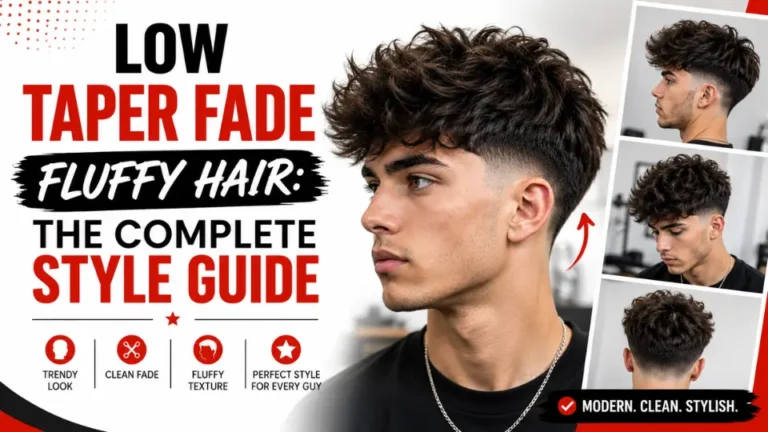
Both start just above the ears and neckline. The difference is how short they get at the bottom. A low fade often reaches bare skin at the very base. A low taper fade keeps a fine layer of hair throughout.
The low version is the more conservative pick. The low fade is slightly bolder, especially if it goes fully to skin.
Both start just above the ears and neckline. The difference is how short they get at the bottom. A low fade often reaches bare skin at the very base. A low taper fade keeps a fine layer of hair throughout.
The low version is the more conservative pick. The low fade is slightly bolder, especially if it goes fully to skin.
Mid Taper Fade vs Mid Fade

The mid versions of both styles start around the temple. A mid fade creates a noticeable contrast with bare or near-bare skin on the lower half of the sides. The mid taper version keeps the transition softer.
This is the most popular height for both styles. If you’re unsure which version to pick, starting here is a safe bet.
High Taper Fade vs High Fade

Both versions start close to the top of the head and create the most dramatic contrast. A high fade is very bold, with nearly the entire side and back faded to skin. A high taper fade does the same but with a slightly softer finish at the bottom.
High fades are popular for bold, expressive looks. The taper version at this height is popular for those who want the same energy but with a little more softness.
Skin Fade vs Taper Fade

A skin fade is the most extreme form of a regular fade. The hair goes completely down to bare skin at the bottom, leaving no hair at all in the lowest section.
The taper version sits at the opposite end of that spectrum. Hair is always present, even at the very shortest point.
If you see someone with a very sharp, high-contrast look where the sides seem to disappear completely, that’s a skin fade. If the sides look clean and short but you can still see fine hair throughout, that’s the taper version.
Styling Tip: Choose a skin fade if you want a sharp, high-contrast look, or a taper fade for a softer, more natural finish. Match the style to your hair texture and face shape for the best overall appearance.
Which One Suits Your Face Shape?
Oval Face

Oval faces are balanced and work with almost any style. Both a taper version and a regular fade look great here.
If you want maximum flexibility, an oval face gives you the freedom to experiment with both options at different times.
Round Face

For round faces, height on top and shorter sides help create a more angular appearance. A mid or high taper achieves this without being too aggressive. A mid or high regular fade works too, but the more dramatic contrast can sometimes emphasize width.
The softer finish of the taper version can actually be more flattering for round faces because it draws the eye upward without adding heavy contrast at the sides.
Styling Tip: For round faces, a mid or high taper fade adds height and balance while keeping the sides soft and natural.
Square Face

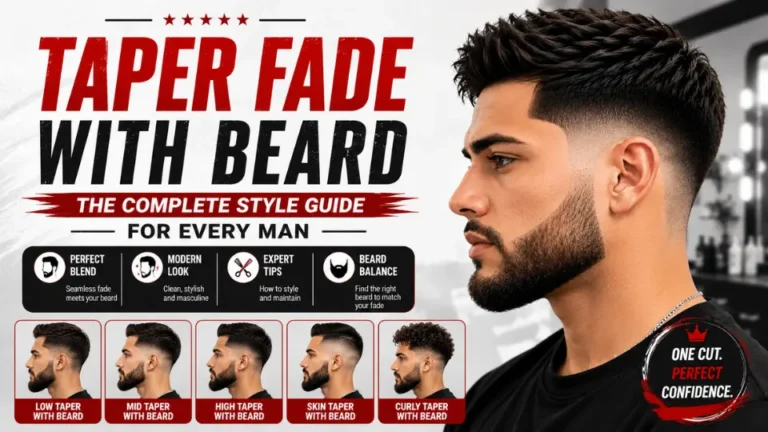
Square faces have strong, defined jawlines. The taper version keeps the sides structured without competing with the jawline. A bold fade can add too much visual weight to the sides, which can make the jaw look wider.
For square faces, a low or mid taper is usually the most flattering pick.
Oblong Face

Longer faces benefit from width rather than height. A low taper is ideal here because it doesn’t add extra height on the sides, keeping the face proportions balanced. High fades and the taper version at this height can make a long face look even longer.
Which One Suits Your Hair Type?
Straight Hair

Straight hair shows the clean lines of both styles very clearly. Both styles work well. The choice comes down to how bold you want the look.
For straight hair, a skin fade or high fade creates a very sharp, graphic look. The taper version creates a cleaner, more traditional result.
Curly Hair

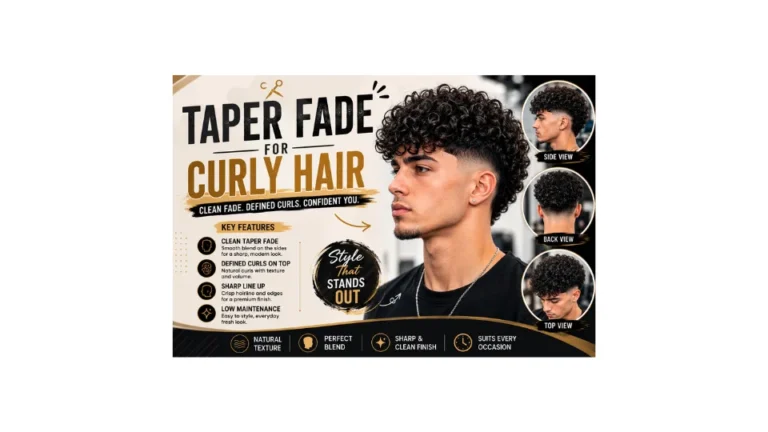
Curly hair benefits from this style in most cases. The softer finish complements the natural texture of curls rather than creating a harsh contrast.
Regular fades can also work with curly hair, but they require more maintenance because curly hair grows in ways that make the faded section look uneven faster.
Thick Hair

Thick hair holds both styles well. The taper version on thick hair looks full and structured. A regular fade on thick hair looks bold and modern.
For thick hair, both options are strong. The choice is really about personal style preference.
Styling Tip: Thick hair suits both styles—choose a taper fade for a balanced, natural look or a fade for a sharper, high-contrast finish.
Fine Hair

Fine hair benefits more from the taper version than a regular fade. Because fine hair is lighter and thinner, a regular skin fade can look overly sparse and empty at the sides.
Keeping hair throughout the faded section gives the sides a fuller appearance even with a finer texture.
Tutorial: How to Ask for a Taper Fade vs a Fade at the Barbershop
Step 1 — Know What Look You Want
Before you sit in the barber’s chair, decide which style best matches your preference in the taper fade vs fade comparison. Do you want bare skin at the bottom of the haircut, or would you rather keep a thin layer of hair? If you prefer exposed skin, ask for a regular fade. If you want a softer transition with hair remaining at the bottom, ask for a taper fade.
Step 2 — Decide on Fade Height
Choose whether you want a low, mid, or high fade. This decision has a major impact on the final look. A low fade creates a subtle appearance, a mid fade offers the best balance, and a high fade delivers a bold, modern finish.
When choosing between taper fade vs fade, also consider your lifestyle and maintenance routine. Higher fades generally require more frequent barber visits to keep the haircut looking sharp.
Step 3 — Choose How Much Skin to Show
Another important part of the taper fade vs fade decision is how much skin you want to show. If you like maximum contrast, ask for a skin fade or bald fade. If you prefer a softer, more natural finish, request a taper fade. If you want something in between, tell your barber you’d like a close fade without going completely down to the skin.
Being specific about this detail helps prevent the most common misunderstandings between clients and barbers.
Step 4 — Decide on the Neckline
Choose whether you prefer a rounded neckline that follows the natural shape of your head or a squared neckline with a sharp horizontal finish across the back.
Although this choice is separate from the taper fade vs fade haircut itself, it has a noticeable effect on the overall appearance. Mention your preference before the haircut begins so your barber knows exactly what you want.
Step 5 — Bring a Reference Photo
A clear reference photo is one of the best ways to communicate the haircut you want. Find an image that shows the exact fade height, blend, and finish you’re looking for.
For the best results, choose a photo of someone with a similar hair type and texture. Straight, wavy, thick, and curly hair all affect how a taper fade vs fade haircut will look once it’s finished.
Step 6 — Use the Right Words
Clear communication is the key to getting the haircut you want. Here are a few examples you can use:
For a taper fade: “I’d like a mid taper fade. Please leave some hair at the bottom instead of fading all the way to skin.”
For a regular fade: “I’d like a mid fade that blends down to the skin on the sides.”
For a skin fade: “I’d like a mid skin fade that goes completely down to bare skin.”
For a taper only: “I’d like a light taper around the ears and neckline without taking it too short.”
Using the correct terminology makes the taper fade vs fade conversation much easier for both you and your barber.
Step 7 — Confirm Before the Barber Starts
Before the barber begins cutting, take a moment to confirm the details of your haircut. Ask them to repeat the plan so you’re both on the same page.
A simple question like, “Just to confirm, you’re doing a mid taper fade with hair remaining at the bottom, right?” can prevent misunderstandings and ensure you get exactly the taper fade vs fade style you want.
Taper Fade vs Fade: Which One Should You Choose?
Choose a Taper Fade If…
You want a versatile, lower-maintenance cut that looks professional and grows out gracefully. This style is the right pick if you work in a formal environment, don’t want to visit the barbershop every week, or simply prefer a look that’s clean without being too aggressive.
It’s also the better choice if your hair is fine, if you’re trying a fade for the first time, or if you’re not sure how much skin you want showing.
Choose a Fade If…
You want maximum contrast and a bold, sharp look. A regular fade, especially a skin fade or high fade, is the right choice if you love that fresh-from-the-barber feeling and don’t mind coming back every one to two weeks to maintain it.
It’s also the better choice if you want your haircut to make a statement or if you work in a creative or casual environment where bold looks are appreciated.
Best Hair Care Products to Keep Your Fade Looking Fresh
A taper fade or fade haircut looks its best when it’s paired with the right hair care routine. Using high-quality products such as American Crew Fiber, Suavecito Original Pomade, Layrite Super Hold Pomade, Hanz de Fuko Claymation, Moroccanoil Treatment, and OGX Argan Oil of Morocco can help keep your hair healthy, add natural shine, reduce frizz, and make styling easier. For curly or dry hair, a leave-in conditioner like Cantu Leave-In Conditioning Repair Cream helps lock in moisture, while TRESemmé Keratin Smooth Shampoo and Conditioner keeps hair soft and manageable. Choosing products that match your hair type will help your taper fade or fade stay clean, stylish, and fresh between barber visits.
Frequently Asked Questions
What Is the Difference Between a Taper Fade and a Fade?
The main difference between a taper fade and a fade is whether the hair goes down to bare skin. A fade typically reaches skin at the bottom. A taper fade reduces the length gradually but keeps some hair throughout, even at the shortest point.
Is a Taper Fade Better Than a Regular Fade?
Neither is objectively better. A taper fade is more subtle and lower maintenance. A regular fade is bolder and more dramatic. The best choice depends on your personal style, hair type, and how often you can get a trim.
What Is the Difference Between a Taper and a Taper Fade?
A taper is a general technique where hair gradually gets shorter toward the neckline and ears. A taper fade takes that same idea and pushes the shortness further, with more dramatic blending and a closer finish near the hairline.
Which Lasts Longer: a Taper Fade or a Regular Fade?
A taper fade typically lasts longer between touch-ups, usually two to three weeks. A regular fade, especially a skin fade, may need a refresh every one to two weeks because new growth becomes visible faster against bare skin.
Can You Ask for Both a Taper and a Fade?
Yes, and that’s essentially what a taper fade is. When someone says “taper fade,” they’re asking for a cut that combines the gradual shortening of a taper with the smooth blending technique of a fade.
Conclusion
The taper fade vs fade debate ultimately comes down to one simple question: how much skin do you want to show? Understanding the difference between these two popular haircuts makes it much easier to choose a style that matches your personality, hair type, and grooming routine.
In the taper fade vs fade comparison, a regular fade blends down to the skin for maximum contrast and a bold, modern finish. A taper fade, on the other hand, keeps a thin layer of hair throughout the faded section, creating a softer, more natural look that grows out more gracefully and usually requires less frequent maintenance.
It’s also important to understand the difference between a classic taper and a taper fade. While a traditional taper offers a subtle, conservative transition, a taper fade creates a cleaner and more defined blend. Knowing the distinctions between taper fade vs fade and taper vs taper fade helps you communicate your preferences more confidently with your barber.
The next time you visit a barbershop, you’ll know exactly what to ask for. Use the tips and comparisons in this taper fade vs fade guide, bring a reference photo if needed, and explain the fade height and finish you want. Clear communication leads to better results.
Whether you choose a taper fade or a regular fade, understanding taper fade vs fade ensures you’ll leave the barber’s chair with a haircut that suits your style, lifestyle, and confidence.